


Table of Contents
- What Makes Jewelry Suitable for Active Lifestyles
- Durable Jewelry Materials Guide
- Sweatproof Jewelry for Workouts
- Design Features That Protect Against Injury
- How to Care for Active Lifestyle Jewelry
- Choosing the Right Piece for Your Needs
- Frequently Asked Questions
Last Updated: September 19, 2026
What Makes Jewelry Suitable for Active Lifestyles
Active lifestyles demand durable everyday jewelry that survives sweat and impact while enhancing comfort and confidence during workouts, outdoor adventures, and daily wear.
Active individuals need pieces that won't break, tarnish, or irritate skin. Success depends on three factors: material composition, design engineering, and construction quality.
Durable everyday jewelry combines sweat resistance with secure fastening and lightweight construction, pieces that won't snag, slip off, or leave marks on skin.
Durable Jewelry Materials Guide
Material choice determines durability and depends on your activities, skin sensitivity, and environmental values.
Surgical-Grade Stainless Steel
Surgical-grade stainless steel (316L or 316 grade) resists corrosion from sweat, saltwater, and chlorine better than most alternatives. It's hypoallergenic, nickel-free, and won't tarnish with daily wear. The chromium content creates a protective oxide layer that improves with moisture exposure. Stainless steel can scratch, but scratches don't affect function and add character over time. It's also widely recyclable, making it more sustainable than gold for environmentally conscious athletes.
Solid Gold and Gold-Filled Options
Solid gold (14k or 18k) is hypoallergenic and doesn't corrode or tarnish, though it's 40% heavier than stainless steel. Gold-filled jewelry offers a middle ground but the gold layer wears through after 3-5 years of daily active wear. Solid gold holds value and can be resized indefinitely, making it ideal for long-term investment. For active athletes, the cost-to-durability ratio may not justify the investment. Recycled gold offers the same durability and hypoallergenic properties as newly mined gold while eliminating mining-related environmental damage.
Titanium and Tungsten
Titanium is 50% lighter than stainless steel and resists chlorine and saltwater, ideal for swimmers and endurance athletes. Tungsten is extremely scratch-resistant and favored for contact sports, but becomes brittle if struck hard. Both are hypoallergenic but can't be resized easily and have limited style options. Tungsten is a mining byproduct with environmental concerns; titanium mining is more sustainable but energy-intensive.
Waterproof and Tarnish-Resistant Alternatives
PVD gold plating lasts 2-3 years with daily active wear, longer than standard plating, but the base metal may corrode once it wears through. Silicone bands offer complete waterproof performance for beach and water athletes but degrade under UV exposure and may absorb odors or stains.
Sustainability and Ethical Sourcing Considerations
Active-lifestyle consumers prioritizing environmental values should consider: recycled metals (identical performance, no mining damage), ethical sourcing certifications (Fairmined gold, conflict-free diamonds), minimalist designs (less material), and durability (high-quality pieces worn for decades reduce replacement costs and environmental impact).
| Material | Sweat Resistance | Chlorine Resistance | Hypoallergenic | Weight | Maintenance | Sustainability | Best For |
|---|---|---|---|---|---|---|---|
| Surgical-grade stainless steel | Excellent | Excellent | Yes | Light | Minimal | High (recyclable) | Daily active wear, swimmers |
| Solid gold (14k/18k) | Excellent | Good | Yes | Heavy | Occasional | Moderate (recycled options available) | Long-term investment |
| Recycled gold | Excellent | Good | Yes | Heavy | Occasional | Excellent | Eco-conscious athletes |
| Titanium | Excellent | Excellent | Yes | Very light | Minimal | Moderate (energy-intensive mining) | Lightweight athletes, swimmers |
| Tungsten | Excellent | Excellent | Yes | Heavy | Minimal | Low (mining byproduct) | High-impact contact sports |
| PVD gold-plated | Good | Good | Depends on base | Light | Moderate | Low (coating eventually wears) | Budget-conscious active users |
| Silicone | Excellent | Excellent | Yes | Very light | Minimal | Moderate (recyclable, UV-sensitive) | Water sports, beach athletes |
Sweatproof Jewelry for Workouts
Sweat contains salt and acids that accelerate corrosion and cause discoloration. Sweatproof jewelry requires materials that don't degrade under moisture: surgical-grade stainless steel, titanium, solid gold, and PVD-coated pieces. The real test is whether fasteners, clasps, and hinges are equally durable.
Many active people make the mistake of choosing jewelry based on appearance alone, then discovering the clasp corrodes or the chain breaks during their third week of consistent wear. Secure clasps matter more than you'd think. Look for lobster clasps, box clasps, or magnetic closures rather than simple hook-and-eye designs that slip open under movement.
Low-profile designs also perform better during workouts. Chunky statement pieces catch on equipment, snag on clothing, and create pressure points against your skin. Minimalist, simplified jewelry stays in place and won't interfere with your range of motion.
Design Features That Protect Against Injury
Active lifestyles introduce injury risks that sedentary jewelry doesn't face, yet most jewelry guides ignore this entirely. The physical demands of different activities create distinct hazard profiles that require targeted design solutions.
Sport-Specific Injury Risks
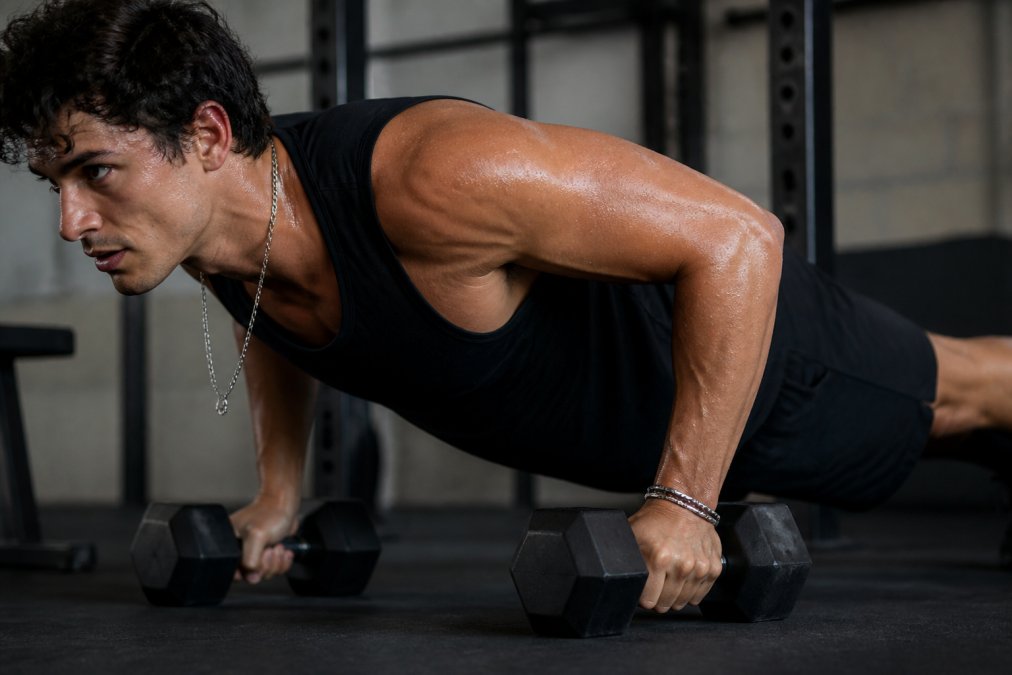
Weightlifting and strength training present the highest injury risk. A dangling bracelet or pendant can catch on a barbell mid-lift, creating sudden resistance that pulls the wrist or neck at an awkward angle. Rings worn during heavy lifting can restrict blood flow if hands swell from exertion, or catch on equipment and cause finger injuries. Necklaces with protruding clasps or settings can scrape or cut skin during exercises where the chest contacts equipment (bench press, chest flyes). The solution: minimalist designs with no moving parts, smooth edges, and secure fasteners that won't accidentally open under load.
Contact sports (boxing, martial arts, rugby) demand different protections. A ring or bracelet can catch an opponent's glove or clothing, creating torque that injures the finger or wrist. Protruding settings or clasps become impact points that cause cuts or bruising. Necklaces risk strangulation if caught during grappling. Safe designs for contact athletes are low-profile, flush-fitting, and ideally removable, many athletes choose to wear jewelry only outside training.
Swimming and water sports create different hazards.
Clasp Security as a Non-Negotiable Safety Feature
Clasp failure is the most common injury vector. A bracelet or necklace that opens unexpectedly during activity can catch on equipment or create sudden pressure changes that injure skin or joints. Test any piece by attempting to open it with moderate pressure while wearing it. If it opens with less force than you'd expect, it will fail during a workout.
Weight Distribution and Stress Points
A heavy pendant hanging from a single delicate chain creates a stress concentration at the chain attachment point and at the clasp. This design fails faster than evenly distributed weight. Safer alternatives include: single-unit bracelets where weight is distributed around the entire circumference, pendants attached via multiple chain strands, or shorter, closer-fitting designs that minimize swinging motion.
Edge and Setting Safety
Sharp corners, exposed prong settings, and decorative elements that protrude become injury points during contact or equipment interaction. A ring with a raised stone setting can catch on fabric or skin. A bracelet with sharp edges can cut wrists during certain exercises. Minimalist designs aren't just aesthetic, they're functional safety features that reduce injury risk.
How to Care for Active Lifestyle Jewelry
Proper maintenance extends the life of even the most durable pieces. The routine is simple but essential.
Choosing the Right Piece for Your Needs
The best durable everyday jewelry matches your specific activity level and aesthetic. A swimmer needs different properties than a weightlifter, who needs different properties than someone doing casual yoga.
| Material | Sweat Resistance | Hypoallergenic | Weight | Maintenance | Best For |
|---|---|---|---|---|---|
| Surgical-grade stainless steel | Excellent | Yes | Light | Minimal | Daily active wear |
| Solid gold (14k/18k) | Excellent | Yes | Heavy | Occasional | Long-term investment |
| Titanium | Excellent | Yes | Very light | Minimal | Athletes needing lightweight |
| Tungsten | Excellent | Yes | Heavy | Minimal | High-impact activities |
| PVD gold-plated | Good | Depends on base | Light | Moderate | Budget-conscious active users |
Frequently Asked Questions
What materials make the best durable everyday jewelry for active lifestyles?
Surgical-grade stainless steel, solid 14k gold, titanium, and tungsten are the top choices. Stainless steel resists corrosion and tarnishing from sweat; solid gold won't degrade with daily wear; titanium is lightweight and hypoallergenic; tungsten offers extreme scratch resistance. Each material handles moisture, friction, and impact differently, so your choice depends on your activity level and skin sensitivity.
How do I keep my jewelry from tarnishing during workouts?
Choose tarnish-resistant materials like surgical-grade stainless steel or solid gold rather than sterling silver, which oxidizes easily. After workouts, rinse your jewelry in fresh water to remove sweat and salt, then dry it thoroughly. Store pieces in a dry place away from humidity. For pieces that do tarnish, a soft cloth and mild soap can restore shine. Regular maintenance prevents buildup that accelerates tarnishing.
Is gold-filled or solid gold better for active lifestyles?
Solid gold is the better choice for active wear because it won't wear through with constant friction and sweat exposure. Gold-filled pieces have a thin layer of gold bonded to base metal; over time, sweat and moisture can cause the base metal to oxidize and the gold layer to wear away. Solid 14k gold is durable enough for daily workouts and lasts decades with basic care.
What design features prevent jewelry from causing injury during exercise?
Look for low-profile, minimalist designs that sit close to the skin and won't catch on clothing or equipment. Secure clasps and snag-free settings reduce the risk of breakage. Lightweight pieces reduce strain on earlobes or wrists during movement. Smooth, polished edges prevent scratching, and pieces without protruding stones or sharp corners are safer during contact sports or high-intensity interval training.
The challenge with active lifestyle jewelry isn't finding something that works, it's finding something that works AND feels meaningful. Flogaze solves this by combining high-quality stainless steel construction with personalization options, creating pieces you'll actually want to wear every day. Explore our collection of durable, water-resistant jewelry designed to celebrate life's moments while withstanding your most active days. Shop Now


