


Table of Contents
- Is Stainless Steel Jewelry Safe for Sensitive Skin?
- Understanding Nickel Allergies and Metal Leaching
- 316L Stainless Steel vs Surgical Steel: What's the Difference?
- Hypoallergenic Jewelry for Sensitive Skin: What Actually Works
- How to Test Jewelry for Nickel at Home
- Signs of a Metal Allergy Reaction and When to Stop Wearing Jewelry
- Choosing Quality Stainless Steel Jewelry That Lasts
- Conclusion
Last Updated: August 23, 2026
Is Stainless Steel Jewelry Safe for Sensitive Skin?
Whether stainless steel jewelry is safe for sensitive skin depends heavily on alloy composition, manufacturing quality, and your skin's response to trace metals. Some stainless steel pieces are genuinely safe; others trigger allergic reactions within days. The difference often comes down to nickel content and corrosion resistance when exposed to skin oils and moisture.
Stainless steel is affordable, durable, water-resistant, and scratch-resistant. But that affordability comes with a catch: nickel, the metal that makes it "stainless," is one of the most common allergens in jewelry. Understanding what makes certain stainless steel safe and others problematic is essential for finding jewelry you can actually wear comfortably.
Understanding Nickel Allergies and Metal Leaching
Nickel allergies develop through repeated exposure. Your immune system identifies nickel as a threat and mounts a reaction, causing contact dermatitis, the itching, redness, and swelling you experience when wearing certain jewelry.
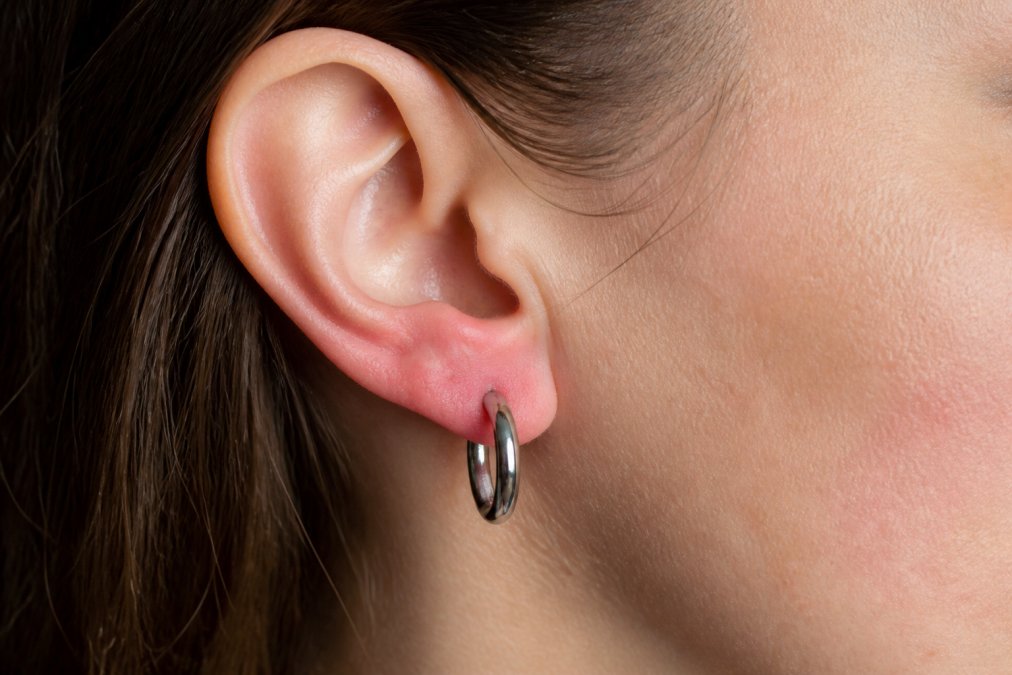
When stainless steel contacts skin, moisture and body chemistry break down the metal's protective oxide layer. Nickel ions escape from the alloy and penetrate the skin, especially in acidic conditions that many people's skin naturally creates. Even high-quality stainless steel releases trace amounts of nickel over time.
Standard stainless steel typically contains 8-12% nickel (astm.org). The nickel release test measures how much nickel migrates from jewelry into a simulated skin environment over 24 hours. Jewelry passing this test releases less than 0.5 micrograms of nickel per square centimeter per week, a threshold set by regulatory bodies as acceptably low for most people (the FDA). However, people with established nickel allergies can react to far lower amounts.
316L Stainless Steel vs Surgical Steel: What's the Difference?
The terms "surgical steel" and "surgical-grade stainless steel" aren't legally regulated in the jewelry industry. When they refer to actual material standards, they typically mean 316L stainless steel, an alloy containing molybdenum in addition to chromium and nickel.
The "L" designation means "low carbon," reducing corrosion risk and improving biocompatibility. Molybdenum adds corrosion resistance, particularly in chloride-rich environments like saltwater and sweat. This extra resistance means the protective oxide layer is more stable and less likely to break down when exposed to skin.
316L typically contains 8-10% nickel, similar to standard stainless steel, but improved corrosion resistance means less nickel leaching occurs. In laboratory testing, 316L generally performs better than standard 304 stainless steel, releasing nickel at lower rates.
The catch: not all jewelry labeled "surgical steel" actually uses 316L. Some manufacturers use standard 304 stainless steel and simply call it surgical grade. Reputable jewelry brands specify the exact alloy type. Some stainless steel jewelry is coated with PVD (physical vapor deposition) plating, creating a barrier that prevents nickel leaching. However, if the coating is thin or poorly applied, it can wear through within months, exposing the nickel-containing base metal.
Hypoallergenic Jewelry for Sensitive Skin: What Actually Works
The term "hypoallergenic" is meaningless in jewelry marketing. There's no legal definition, testing standard, or certification. Any manufacturer can claim hypoallergenic status without evidence.
What actually works for sensitive skin depends on your specific allergy profile. For nickel-sensitive skin, the safest options are:
- Titanium: Contains no nickel and resists corrosion exceptionally well. Implant-grade titanium (ASTM F136) is biocompatible and rarely triggers reactions.
- Solid gold (14K or higher): Gold itself isn't allergenic, though some people react to alloy metals mixed with gold. Nickel-free gold alloys exist but require seller verification.
- Platinum: Hypoallergenic and extremely durable, but expensive. Rarely causes reactions because it's chemically inert.
- Surgical-grade stainless steel (316L) with PVD coating: A middle ground offering reasonable protection at a lower price point than precious metals.
Stainless steel without additional treatment falls into a gray zone. 316L is better than standard 304, but it's not guaranteed safe for everyone with a nickel allergy. If you have mild sensitivity or haven't had a confirmed nickel allergy, 316L stainless steel is likely safe. If you've had clear allergic reactions to jewelry before, titanium or gold is the safer choice.
How to Test Jewelry for Nickel at Home
You can't visually inspect jewelry to determine nickel content or quality. The only reliable way to know what you're getting is to test it or buy from a source providing material certifications.
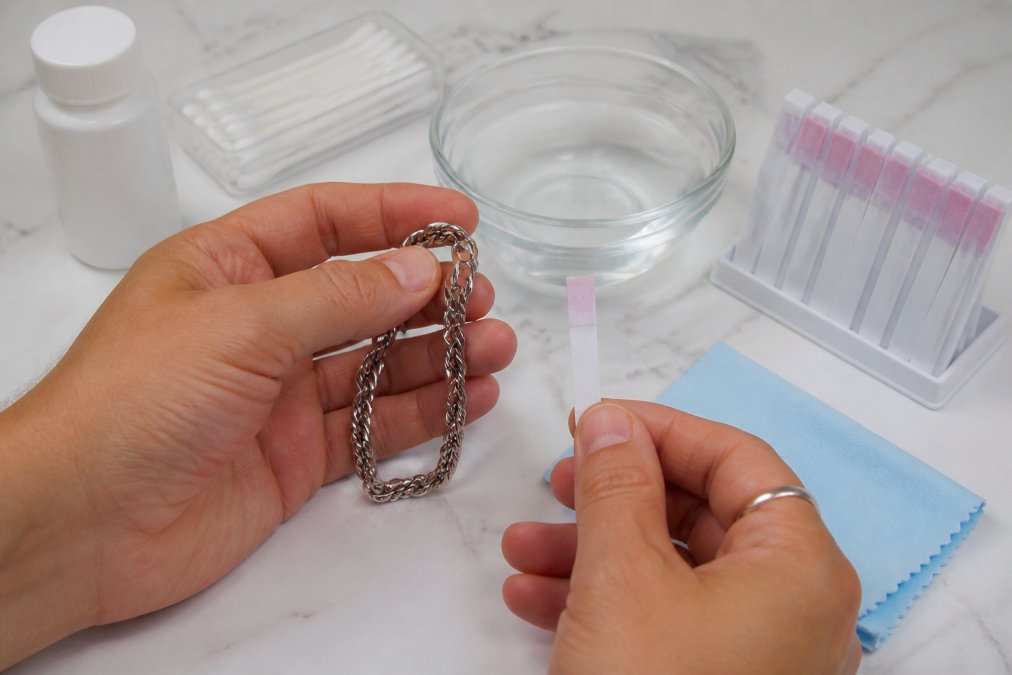
Dimethylglyoxime (DMG) test strips are the most accessible home testing option. Wet the strip slightly, rub it on the jewelry surface, and observe the color change. A pink or red color indicates nickel presence; no color change suggests nickel is absent or below detectable levels.
DMG tests detect nickel on the surface, not within the alloy. If jewelry has a protective coating, the test might show no nickel even though the base metal contains it. For more definitive results, send jewelry to a testing laboratory for X-ray fluorescence (XRF) analysis, which measures actual alloy composition. The cost is typically $50-150 per piece.
When buying jewelry, request material certifications from the seller. Reputable manufacturers provide documentation of alloy composition and test results confirming nickel release rates. Another practical test: wear the piece for a short period in a low-risk area first before committing to extended wear.
Signs of a Metal Allergy Reaction and When to Stop Wearing Jewelry
Contact dermatitis from jewelry typically appears within 24-48 hours of exposure (peer-reviewed research). Symptoms include itching, redness, swelling, or a burning sensation where the jewelry contacts skin. In some cases, the skin blisters or develops a spreading rash.
If you experience these symptoms, remove the jewelry immediately and wash the area with soap and water. The discomfort usually subsides within a few hours to a day. If the reaction is severe with significant swelling, blistering, or spreading rash, consult a dermatologist.
Distinguish between post-piercing sensitivity and true allergy. New piercings are inflamed and more reactive to metals. Fresh ear piercings can be sensitive to metals that wouldn't bother you once the piercing is fully healed. Use the safest possible materials during healing: titanium or implant-grade stainless steel (316L minimum). Once the piercing is established, you have more flexibility, though sensitivity can persist.
Choosing Quality Stainless Steel Jewelry That Lasts
Durability and safety are linked. Jewelry resisting corrosion and maintaining its protective oxide layer leaches less nickel. Conversely, jewelry showing tarnishing, discoloration, or corrosion signs is breaking down and releasing more metal ions.
When evaluating stainless steel jewelry, look for these quality indicators:
- Alloy specification: The seller should state whether it's 304 or 316L stainless steel.
- Surface finish: High-quality stainless steel has a consistent, polished finish without discoloration or pitting.
- Weight and construction: Quality pieces have appropriate weight for their size.
- Closure mechanisms: Clasps and hinges should operate smoothly without resistance.
- Coating integrity: PVD plating should be even and complete, with minimal wear around high-friction areas.
Storage and care affect longevity. Keep jewelry dry when not wearing it. Store pieces in a cool, dry place, ideally in a protective pouch. Clean stainless steel periodically with a soft cloth and mild soap. Avoid harsh chemicals and abrasive cleaners that damage the protective oxide layer. While stainless steel is water-resistant, saltwater, chlorine, and prolonged moisture exposure accelerate corrosion.
Choosing stainless steel jewelry for sensitive skin comes down to understanding what you're buying and matching the material to your specific needs. If you have a confirmed nickel allergy, 316L stainless steel is reasonable if you verify the alloy specification and inspect regularly for corrosion. If uncertain about sensitivity, titanium or gold eliminates the risk. For those seeking affordability, durability, and safety, quality stainless steel with PVD coating offers genuine protection.
When selecting a piece to commemorate a meaningful moment, the material choice affects both comfort and longevity. Flogaze's personalized jewelry is crafted with high-quality stainless steel construction designed to withstand constant wear while remaining a cherished keepsake for years to come.
Frequently Asked Questions
Q: Can someone with a nickel allergy wear 316L stainless steel?
A: 316L stainless steel contains nickel as part of its alloy composition, typically 8-12%. People with diagnosed nickel allergies should avoid it unless the piece has PVD plating or another protective coating. Even surgical-grade stainless steel can trigger reactions in hypersensitive individuals. If you have a nickel allergy, test jewelry first or choose nickel-free alternatives like titanium or gold-plated options.
Q: How do I know if my jewelry contains nickel?
A: You can use a dimethylglyoxime test kit, available at most pharmacies, to detect nickel on jewelry surfaces. Simply apply the reagent to the jewelry according to package directions; a color change indicates nickel presence. For personalized pieces like those from Flogaze, request material specifications from the seller before purchase.
Q: Is surgical steel the same as stainless steel?
A: Surgical steel and stainless steel are related but not identical. Surgical-grade stainless steel (typically 316L) meets higher biocompatibility standards and contains lower impurity levels than standard stainless steel (304). Both contain nickel, but surgical-grade has better corrosion resistance and is often used in implant-grade applications. For sensitive skin, the distinction matters: surgical-grade is safer, but neither is truly hypoallergenic without additional plating or protective coatings.
Q: What are the downsides of wearing stainless steel jewelry?
A: The main downside for sensitive skin is nickel content: standard and surgical-grade stainless steel both contain nickel, which can trigger contact dermatitis in susceptible individuals. Stainless steel can also show scratches over time with daily wear, and lower-quality pieces may develop pitting or corrosion. Additionally, stainless steel jewelry cannot be easily resized or repaired. For those with established piercings, the risk is lower than for fresh piercings, where the healing skin is more vulnerable to irritation.
This article was written using GrandRanker


