


Table of Contents
- Why Durable Jewelry Matters for Graduation Gifts
- Best Metals for Everyday Jewelry
- How to Identify Quality Jewelry
- Timeless Styles That Last Beyond Graduation
- Jewelry Maintenance Tips for Beginners
- Metal Allergy Considerations and Hypoallergenic Options
- Budget-to-Durability Ratio: What You're Really Paying For
- Conclusion
Last Updated: August 16, 2026
Why Durable Jewelry Matters for Graduation Gifts
Graduation marks a threshold moment. A gift that lasts through that transition becomes more than an object; it becomes a marker of the occasion itself. Most gift-givers want something that won't tarnish, crack, or fade within months, a piece that survives daily wear as the graduate heads into their career and beyond. Flogaze recognizes this tension between sentimentality and practicality, which is why their personalized jewelry collection emphasizes high-quality materials designed to withstand constant use.
Durability at the material level involves resistance to tarnish, scratch-resistance, the ability to handle moisture and temperature changes, and the capacity to be repaired if needed. A piece that checks these boxes becomes an heirloom-quality investment, the kind of gift graduates will actually wear for years.
Best Metals for Everyday Jewelry
When evaluating metals for everyday wear, you're asking which material can handle constant contact with skin, water, sweat, and accidental impacts without degrading.
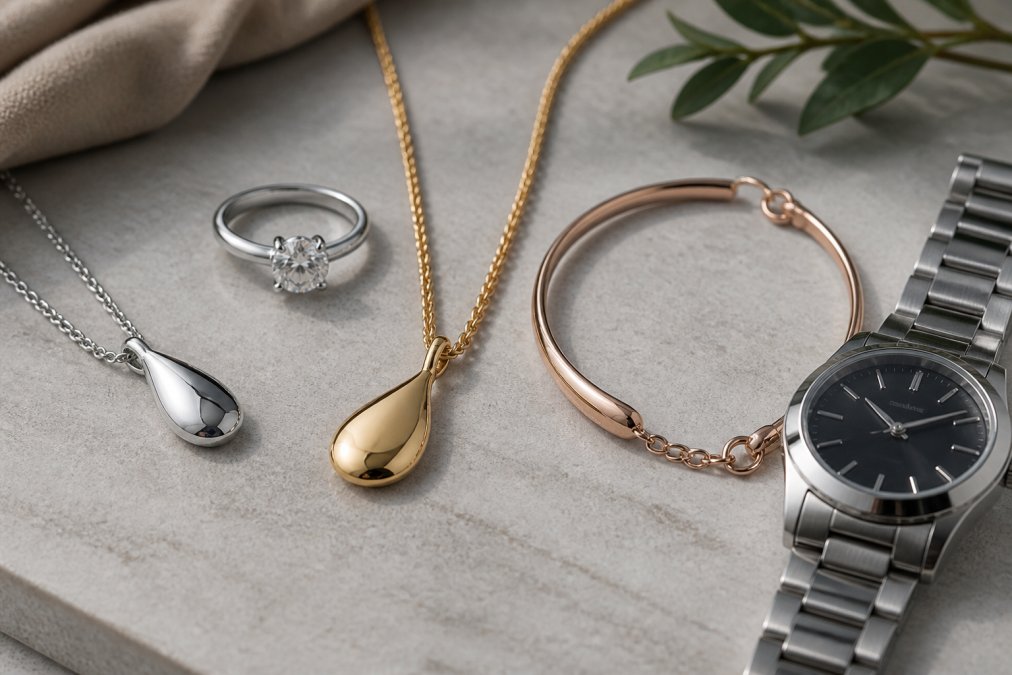
Platinum and 18k Gold
Platinum is the premium choice for durability. It's naturally hypoallergenic, resists tarnish completely, and becomes stronger when worked by a jeweler. The metal won't scratch easily, and if it does, a professional can polish it back to its original state. The downside is cost.
18k gold is an alloy mixed with other metals to increase durability beyond pure gold. The "18k" designation means 75% pure gold, with the remaining 25% providing structural strength. Yellow gold, white gold, and rose gold all follow this ratio, so durability is equivalent. Gold resists tarnish and can last indefinitely with basic care. For graduates entering the workforce, 18k gold offers a balance between prestige and accessibility.
Sterling Silver and Rhodium-Plated Options
Sterling silver is 92.5% pure silver mixed with other metals for strength. Unlike gold, sterling silver tarnishes when exposed to air and sulfur compounds, but this doesn't mean it's fragile. The tarnish is a surface layer that polishing removes completely.
Rhodium-plated sterling silver resists tarnish almost entirely. When applied as a thin coating over sterling silver, it creates a piece that looks like white gold or platinum but costs significantly less. The catch is that the rhodium layer will eventually wear through in high-friction areas and needs re-plating, which requires sending it to a jeweler.
Stainless Steel for Water-Resistant Wear
Stainless steel is the practical choice. It's scratch-resistant, corrosion-resistant, and genuinely water-resistant. You can wear it in the shower, at the beach, or during water sports without worry. The metal doesn't tarnish and requires no polishing.
The trade-off is that stainless steel feels less precious. For a graduate who leads an active lifestyle or works in demanding conditions, stainless steel makes genuine sense. Flogaze highlights water-resistant and scratch-proof stainless steel construction in their watch designs, recognizing that some graduates need durability over prestige.
How to Identify Quality Jewelry
The difference between a piece that lasts decades and one that falls apart in months often comes down to construction details most people never examine.
Hallmarks and Karat Stamps
Every piece of precious metal jewelry should carry a hallmark, a tiny stamped mark indicating the metal type and purity. On gold, you'll see "14k," "18k," or "24k." On sterling silver, you'll see "925" or "sterling." On platinum, you'll see "pt" or "plat" followed by a purity number.
These stamps are a legal requirement and a quality signal. If a piece claims to be gold but carries no hallmark, it's either not gold or counterfeit. Reputable jewelers always mark their work. The hallmark should be stamped directly into the metal, not printed or glued on.
Fine Jewelry vs. Fashion Jewelry
Fine jewelry uses precious metals and genuine gemstones and is designed to last decades. Fashion jewelry uses base metals and imitation stones and is designed to be affordable and trendy.
Fine jewelry feels substantial and has weight. The finish is even and consistent. Fashion jewelry often feels hollow or light, has inconsistent plating, and shows rough edges. If buying online, read reviews from people who've owned the piece for six months or longer.
Timeless Styles That Last Beyond Graduation
A durable metal means nothing if the design looks dated in two years. The goal is finding a style that works across contexts: casual, professional, and formal.
Minimalist and Sophisticated Designs
Minimalist jewelry has staying power because it doesn't rely on trends. A simple solitaire pendant, a thin band ring, or a delicate tennis bracelet works at any age and in any setting. A minimalist necklace works with jeans just as easily as with business attire.
When evaluating minimalist pieces, focus on finish quality. A simple design means any imperfection in the metalwork becomes visible. The edges should be smooth, the finish consistent, and the overall construction intentional.
Transition Pieces for Professional Wardrobe
Transition pieces move seamlessly between casual and professional contexts: a watch that works with both jeans and a suit, a bracelet elegant enough for a boardroom but casual enough for a weekend. Avoid anything too trendy or too bold. A professional wardrobe piece is understated, well-made, and works with multiple outfits.
For a new graduate entering a career, transition pieces are invaluable. They're the jewelry equivalent of a blazer: versatile, appropriate, and reliable.
Personalized Options as Heirloom Pieces
Personalization transforms a beautiful piece into something irreplaceable. An engraved initial, a birthstone, a date, or a meaningful phrase creates emotional attachment that generic jewelry can't match.
The durability question becomes even more important with personalized pieces. If you're going to engrave something meaningful into metal, you want that metal to outlast the recipient's career, ideally their entire life. A personalized piece in 18k gold or platinum will look the same in 30 years. A personalized piece in plated base metal might look completely different.
Jewelry Maintenance Tips for Beginners
Durable jewelry still requires care. The good news is that maintenance for quality pieces is straightforward.
Cleaning and Storage Best Practices
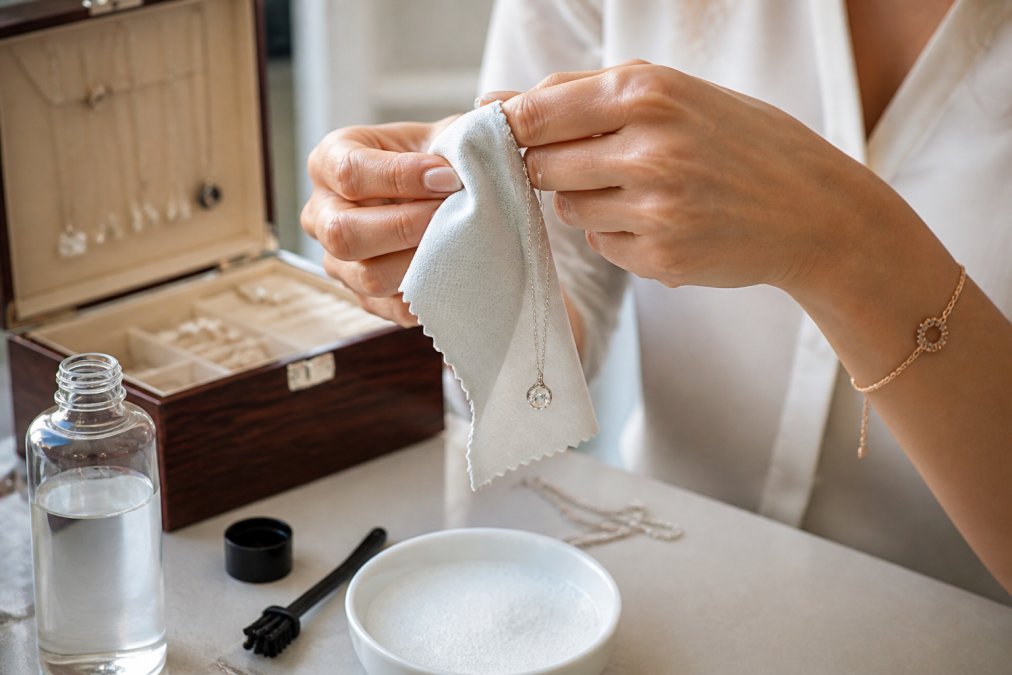
For gold and platinum, use warm water, mild dish soap, and a soft cloth. Soak the piece for a few minutes, gently scrub with a soft toothbrush around settings and crevices, rinse thoroughly, and dry with a lint-free cloth.
Sterling silver requires slightly more attention because it tarnishes. The same warm-water-and-soap method works for regular cleaning. For tarnish, use commercial silver polish, a silver polishing cloth, or a DIY paste of baking soda and water. Apply gently and rinse thoroughly.
Stainless steel is the lowest-maintenance option. Warm water and soap is usually sufficient. Stainless steel doesn't tarnish, so you're mainly removing dirt and oils.
Keep jewelry in a dry place, ideally in a soft pouch or lined jewelry box. Avoid plastic bags, which trap moisture and promote tarnish. Keep gold and platinum separate from silver if possible. Remove jewelry before swimming, showering, or exercising when possible.
When to Seek Professional Repair
If a stone becomes loose, a professional can tighten the setting before the stone falls out. If a clasp breaks, a jeweler can replace it. If a piece is bent or dented, a jeweler can reshape it. If rhodium plating is wearing through, it needs re-plating.
Most jewelers offer these services at reasonable rates. A simple clasp replacement might cost $20-40. Re-plating might run $50-150. Resizing typically costs $30-75. These are investments in extending the life of a piece.
Metal Allergy Considerations and Hypoallergenic Options
For graduates with sensitive skin or known metal allergies, the choice of base metal becomes health-critical.
Nickel is the most common culprit in metal allergies. It's used in white gold alloys, some silver alloys, and most base metals. For someone with nickel sensitivity, wearing nickel-containing jewelry triggers redness, itching, or blistering.
Platinum and 18k gold are naturally hypoallergenic because they don't contain nickel. Sterling silver is hypoallergenic in its pure form, though some alloys include nickel. Stainless steel is generally hypoallergenic, though some cheaper formulations contain nickel.
If buying for someone with known allergies, ask the jeweler specifically about alloy composition. Don't assume "white gold" is hypoallergenic; ask what metals it's mixed with.
Budget-to-Durability Ratio: What You're Really Paying For
Price and durability aren't always proportional. A $500 piece isn't necessarily five times more durable than a $100 piece.
When you buy precious metal jewelry, you're paying for material value plus craftsmanship. Gold is priced by weight and purity, so a gold piece will always cost more than a stainless steel piece of similar size. If durability is your only concern and budget is tight, stainless steel delivers exceptional value.
Craftsmanship is where quality varies within the same material. Two sterling silver necklaces at the same price point might have vastly different construction quality. This is where reviews, brand reputation, and direct inspection matter.
The durability calculation is personal. If a graduate will wear a piece daily for decades, investing in 18k gold or platinum makes sense. If they might wear it occasionally, stainless steel or rhodium-plated silver offers excellent durability at lower cost.
Conclusion
Choosing durable jewelry for graduation is about understanding that you're buying a marker for a moment that matters. The right piece becomes part of the graduate's story, worn through early career moments, travels, transitions, and milestones to come.
The metals that deliver durability, platinum, 18k gold, sterling silver with proper care, and stainless steel, each bring different strengths. The design that lasts is minimalist, versatile, and works across contexts. Personalization transforms it from jewelry into a keepsake.
At Flogaze, this philosophy drives their approach to personalized jewelry and watches. High-quality materials, water-resistant construction, and ready-to-gift packaging mean the piece arrives ready to mean something. Their stainless steel watches and personalized necklaces are built for real life, the daily wear that transforms a gift into a companion.
When you're ready to find the right piece, visit Flogaze to explore their collection of personalized jewelry designed specifically for meaningful moments like graduation. Their pieces combine durability, thoughtful personalization, and the kind of quality that becomes more valuable with time.
Frequently Asked Questions
What metals are most durable for everyday jewelry?
Platinum, 18k gold, sterling silver with rhodium plating, and stainless steel are the most durable metals for daily wear. Platinum offers the highest scratch resistance and longevity, while 18k gold balances durability with elegance. Sterling silver requires regular maintenance but resists tarnish when rhodium-plated. Stainless steel is water-resistant and ideal for active lifestyles. Avoid gold-plated or thin-plated options for graduation gifts intended for constant wear, as plating wears away within months.
Is 14k or 18k gold better for a graduation gift?
18k gold is superior for durable graduation jewelry because it contains 75% pure gold versus 58.3% in 14k gold, making it more resistant to wear and scratching. While 18k gold is slightly softer than 14k, its higher gold content means it retains its lustrous finish longer and resists tarnishing better. For pieces worn daily after graduation, 18k yellow gold, rose gold, or white gold maintains its sophisticated appearance through years of constant use. If budget is a constraint, 14k gold remains a solid investment piece that will last decades with proper care.
How can I tell if a piece of jewelry is high quality?
Look for hallmarks stamped inside the piece: 925 for sterling silver, 14k or 18k for gold, and Pt or Plat for platinum. High-quality jewelry from reputable makers includes certification of materials and weight. Fine jewelry features secure gemstone settings, smooth finishes with no rough edges, and substantial weight appropriate to the metal type. Check that clasps and hinges operate smoothly and feel sturdy. Ask the maker about their craftsmanship process, brands transparent about their materials, sourcing, and construction methods typically deliver heirloom-quality pieces that justify their investment.
How do I care for fine jewelry to ensure it lasts?
Store fine jewelry in a soft, lined box or pouch away from sunlight and moisture to prevent tarnishing and discoloration. Clean sterling silver and gold regularly with a soft cloth; avoid harsh chemicals. Remove jewelry before swimming, exercising, or showering to prevent water damage and salt exposure. Have professional jewelers inspect and re-polish pieces annually, especially engagement rings or daily-wear necklaces. For gemstone settings, ensure prongs are secure and stones are not loose. Proper maintenance extends the life of graduation jewelry from years to generations, preserving both durability and sentimental value.
Is jewelry a good graduation gift?
Yes, jewelry is an excellent graduation gift because it serves as a lasting keepsake of a major life milestone. Unlike clothing or electronics that become outdated, quality durable jewelry pieces like solitaire pendants, initial necklaces, or minimalist bracelets remain relevant and wearable for decades. Personalized options, engraved with initials, dates, or coordinates, add sentimental value that graduates treasure. Jewelry transitions seamlessly from casual daily wear to professional wardrobe, making it practical for post-graduation life. The combination of timeless aesthetic, durability, and emotional significance makes jewelry a meaningful investment in the graduate's future.
What should I look for in a personalized graduation necklace?
Choose a necklace with a durable metal base, 18k gold, platinum, or quality stainless steel, to ensure the personalization lasts. Verify the engraving method: laser engraving is precise and permanent, while hand-stamping offers a unique artisanal touch but may wear slightly over time with daily wear. Select a minimalist pendant design that complements professional and casual outfits. Request samples or detailed photos before finalizing to confirm the engraving quality and appearance match your expectations. Personalized pieces should arrive in protective packaging and include care instructions to help the graduate maintain their keepsake for years.
How do I know if stainless steel jewelry is actually durable?
Quality stainless steel for jewelry is typically 316L or 304 grade, which resists corrosion and tarnishing better than lower grades. Look for hallmarks indicating the grade and check the maker's material specifications. High-quality stainless steel jewelry feels substantial and smooth, with secure clasps and well-finished edges. Reputable brands provide documentation of material composition and durability claims. Stainless steel is hypoallergenic, water-resistant, and scratch-resistant, making it ideal for graduates who work in active environments or prefer low-maintenance pieces. Test the piece's weight and finish quality as indicators of overall construction standards.
What's the difference between fine jewelry and fashion jewelry for durability?
Fine jewelry uses precious metals (gold, platinum, silver) and genuine gemstones with secure, lasting settings, designed to withstand daily wear for decades. Fashion jewelry uses base metals with plating, costume stones, or glued settings that deteriorate within months. Fine jewelry maintains its value, appearance, and structural integrity over time, making it suitable for heirloom status. Fashion jewelry is affordable but temporary, plating flakes, stones loosen, and metal tarnishes quickly. For graduation gifts meant to last a lifetime, fine jewelry represents true durability and sentimental investment, while fashion jewelry suits short-term trends.
This article was written using GrandRanker


