


Table of Contents
- Why Custom Jewelry Tarnishes Quickly: Understanding the Science
- Metals Prone to Tarnishing in Custom Jewelry
- Environmental and Personal Factors That Speed Up Tarnishing
- How to Store Custom Jewelry to Prevent Tarnish
- Jewelry Care Tips for Extending the Life of Custom Pieces
- How to Clean Tarnished Custom Jewelry Safely
- Long-Term Effects of Untreated Tarnish and Durability Concerns
- Jewelry Materials That Don't Tarnish: Alternatives to Consider
Last Updated: July 26, 2026
Why Custom Jewelry Tarnishes Quickly: Understanding the Science
Tarnishing is a predictable chemical reaction when metals are exposed to environmental conditions. Tarnish forms when metal surfaces react with sulfur compounds, oxygen, and moisture in the air, accelerating when jewelry contacts perfumes, lotions, sweat, and cleaning products.
The Chemical Reaction Behind Tarnish
Tarnish results from oxidation, where metal atoms lose electrons when exposed to oxygen and reactive substances. The visible tarnish layer is typically a thin coating of oxidized metal, dark gray or black on silver, greenish to brown on copper and brass. This process is inevitable, but its speed depends entirely on environmental factors and how you treat your jewelry.
Oxidation, Sulfur, and Silver Sulfide Formation
The most common cause of tarnish on silver is silver sulfide formation, which occurs when silver reacts with hydrogen sulfide gas in the air. This reaction accelerates in humid environments and around certain household products. Silver tarnishes faster in coastal areas where salt in the air contains sulfur compounds and near industrial zones.
Copper and brass oxidize differently, forming copper oxide and brass oxidation products that create greenish patinas. Gold, being a noble metal, resists oxidation much better than silver, though gold alloys containing other metals can still tarnish where base metals are exposed.
A thin, fresh tarnish layer is easy to remove with gentle polishing. But if left untreated for months or years, the oxidation deepens, requiring more aggressive cleaning methods that risk damaging the metal's surface.
Metals Prone to Tarnishing in Custom Jewelry
Not all metals tarnish equally. Understanding which metals are most susceptible helps you make informed decisions about care and maintenance.
Sterling Silver and Silver Alloys
Sterling silver is the most common metal for custom jewelry and the most prone to tarnishing. Sterling silver is 92.5% pure silver mixed with other metals (usually copper) for durability. The copper content accelerates tarnishing significantly. A sterling silver ring worn daily might show visible tarnish within weeks.
Silver-plated jewelry tarnishes even faster than sterling silver. The plating is a thin layer of pure silver over a base metal, and repeated cleaning can eventually wear through the silver layer, exposing the base metal. Argentium silver, a newer alloy containing germanium, resists tarnishing better than traditional sterling silver.
Copper, Brass, and Gold Alloys
Copper tarnishes quickly, forming green or brown patina. Brass, an alloy of copper and zinc, tarnishes similarly. Both are popular for custom jewelry because they're affordable and beautiful, but they require consistent care.
Most custom gold jewelry uses lower karats (14K or 18K) mixed with other metals for strength. These alloys can tarnish where base metals are exposed. White gold is often rhodium-plated to prevent tarnishing. When the rhodium plating wears away, the underlying white gold becomes visible, and tarnishing can occur.
Gold-Plated, Gold-Filled, and Gold Vermeil: Unique Tarnishing Challenges
Gold-plated jewelry has a thin layer of gold (typically less than 1 micrometer thick) bonded to a base metal and typically lasts 6-12 months before showing signs of tarnish and wear.
Gold-filled jewelry has a thicker gold layer (at least 5% of total weight) mechanically bonded to a base metal. Gold-filled pieces can last 10-30 years before the gold layer wears through, making them better for custom pieces you want long-term.
Gold vermeil is sterling silver plated with gold. The plating is thicker than standard gold-plating (at least 2.5 micrometers), but the underlying sterling silver is still prone to tarnishing. Vermeil jewelry typically lasts 2-3 years with regular wear before showing significant wear and tarnishing.
Environmental and Personal Factors That Speed Up Tarnishing
Custom jewelry tarnishes at different rates depending on where you live, how often you wear it, and what products you expose it to.
Humidity, Moisture, and Geographic Climate
Humidity is one of the most significant accelerators of tarnishing. Moisture in the air provides the medium for oxidation reactions. In humid climates, coastal areas, tropical regions, or bathrooms, tarnishing accelerates dramatically. Coastal areas expose jewelry to salt spray, which contains sulfur compounds and accelerates silver sulfide formation. Temperature fluctuations also play a role, as rapid changes cause condensation on jewelry surfaces.
Sweat, Body Oils, and Skin Acidity
Your skin is a major tarnishing accelerant. Sweat contains salt and organic compounds that react with metals. Body oils create a film that traps moisture against the metal surface, promoting oxidation. Rings and bracelets, in constant contact with skin, tarnish much faster than necklaces or earrings.
Everyday Products: Perfumes, Lotions, Cosmetics, and Cleaning Chemicals
Perfumes contain alcohol and volatile compounds that react with metals. Lotions and moisturizers create a chemical-rich environment promoting oxidation. Household cleaning products are major culprits, bleach, ammonia-based cleaners, sunscreen, insect repellent, hand sanitizers, and antibacterial soaps contain compounds that promote oxidation.
The solution is to remove your custom jewelry before applying these products. This simple habit dramatically extends its lifespan.
How to Store Custom Jewelry to Prevent Tarnish
Storage is your first line of defense against tarnishing.
Airtight Bags and Anti-Tarnish Strips
The most effective storage method is airtight bags designed to prevent tarnishing, paired with anti-tarnish strips. These strips contain activated charcoal or other materials that absorb sulfur compounds and moisture from the air. A single strip protects jewelry in a sealed bag for 6-12 months. Silica gel packets also help reduce moisture in storage containers.
Jewelry Box Organization and Environment Control
If you store jewelry in a traditional jewelry box, choose one with a low-humidity interior. Avoid storing jewelry in bathrooms. Instead, use a bedroom closet or another dry, cool space. Organize jewelry to minimize contact between pieces using individual compartments, small pouches, or tissue paper. Keep jewelry away from direct sunlight and heat sources.
Jewelry Care Tips for Extending the Life of Custom Pieces
Daily care habits make the difference between jewelry that tarnishes quickly and pieces that maintain their beauty for years.
Daily Wear Precautions and Removal Timing
Remove custom jewelry before showering, swimming, exercising, or applying lotions and cosmetics. This single habit can reduce tarnishing by 50-70% for frequently worn pieces. Wipe jewelry with a soft cloth after wearing it to remove sweat, skin oils, and residue from lotions or cosmetics.
Avoid wearing custom jewelry while doing household chores or working with chemicals. Store jewelry immediately after wearing it rather than leaving it exposed on a nightstand or bathroom counter.
Maintenance Habits That Prevent Rapid Tarnishing
Establish a regular cleaning schedule based on how often you wear each piece. Frequently worn jewelry might need gentle cleaning every 2-4 weeks. Polish jewelry gently using a soft cloth and appropriate polishing materials, never using abrasive scrubbing. Consider having custom pieces professionally cleaned and inspected annually, particularly for heirloom or high-value jewelry.
How to Clean Tarnished Custom Jewelry Safely
When tarnish appears, choose a method appropriate to your jewelry's metal type and construction.
DIY Cleaning Methods vs. Commercial Anti-Tarnish Products
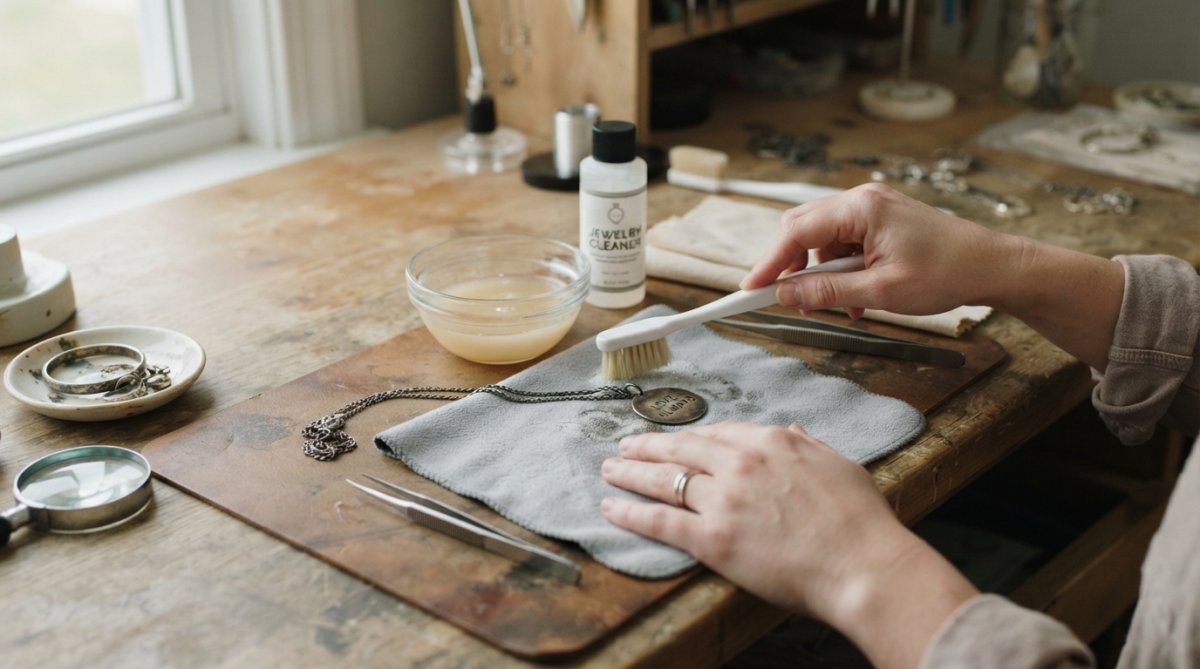
For light tarnish on sterling silver, a commercial silver polishing cloth is often sufficient. For heavier tarnish, a baking soda and water paste works well, mix baking soda with a small amount of water to create a thick paste, apply it to tarnished areas, and gently rub with a soft cloth. Rinse thoroughly and dry completely. Don't use this method on jewelry with gemstones.
For gold-plated, gold-filled, or vermeil jewelry, use only soft cloths and gentle polishing compounds labeled as safe for plated jewelry. Copper and brass can be cleaned with lemon juice and salt or commercial brass cleaners.
Professional Restoration and When to Seek Expert Help
For valuable custom pieces, heirloom jewelry, or pieces with gemstones, professional cleaning is worth the investment. A professional jeweler has specialized equipment and solutions that remove even heavy tarnish without damaging the metal or stones.
Long-Term Effects of Untreated Tarnish and Durability Concerns
Tarnish itself doesn't weaken metal structurally, but it can trap moisture against the surface, which can eventually lead to corrosion if left untreated for years. Deep corrosion can create pits in the metal surface that are difficult to remove without significant polishing that thins the metal.
Untreated tarnish on jewelry with gemstones can cause problems. Tarnish buildup around stone settings can make stones appear dull, and tarnish can trap moisture that might eventually affect the adhesive holding stones in place.
For gold-plated or vermeil jewelry, untreated tarnish accelerates the wearing away of the gold layer. The longer tarnish sits on jewelry, the harder it becomes to remove. Regular maintenance is much easier than occasional deep cleaning.
Jewelry Materials That Don't Tarnish: Alternatives to Consider
If tarnish prevention feels overwhelming, some metals resist tarnishing so effectively that they're essentially maintenance-free.
Stainless Steel and Rhodium-Plated Options
Stainless steel is highly resistant to tarnishing. The chromium in stainless steel creates a protective oxide layer that prevents further oxidation. Stainless steel jewelry maintains its appearance with minimal care and is ideal for pieces you want to wear constantly without worrying about tarnish.
Rhodium plating creates a bright, white, tarnish-resistant surface. However, rhodium plating eventually wears away with use, revealing the underlying metal. Titanium is another tarnish-resistant option that's lightweight, durable, and increasingly popular for custom jewelry.
Pure Gold and Platinum as Tarnish-Resistant Choices
Pure 24-karat gold doesn't tarnish. It's soft for everyday jewelry, but it's an option for special occasion pieces. Platinum is the ultimate tarnish-resistant metal. It doesn't tarnish, doesn't fade, and is extremely durable. Platinum jewelry lasts a lifetime with minimal maintenance. The tradeoff is cost, platinum is significantly more expensive than gold or silver.
| Metal Type | Tarnish Resistance | Maintenance Required | Best For |
|---|---|---|---|
| Sterling Silver | Low | Regular cleaning & storage | Classic, affordable custom pieces |
| Gold Alloys (14K, 18K) | Moderate | Occasional cleaning | Durable, long-lasting jewelry |
| Gold-Plated | Low | Frequent gentle care | Budget-conscious custom options |
| Stainless Steel | Very High | Minimal | Everyday wear, low maintenance |
| Platinum | Highest | Minimal | Heirloom pieces, investment jewelry |
| Copper/Brass | Low | Regular polishing | Vintage aesthetic, affordable |
Custom jewelry represents an investment in pieces that celebrate your most meaningful moments. Understanding why custom jewelry tarnishes quickly helps you protect that investment through informed care choices. Whether you choose sterling silver, gold alloys, or tarnish-resistant alternatives, the strategies in this guide will help your pieces maintain their beauty for years to come.
At Flogaze, we craft personalized jewelry designed to become cherished keepsakes. Our pieces are made with high-quality materials selected for durability and beauty, and they're built to withstand constant wear when properly cared for. By following the prevention and maintenance practices outlined here, your Flogaze custom jewelry will remain a stunning reminder of life's most important moments. Shop Now and discover personalized pieces that celebrate what matters most to you.
Frequently Asked Questions
What causes custom jewelry to tarnish quickly?
Custom jewelry tarnishes quickly due to chemical reactions between metals and environmental factors. Sterling silver and copper-based alloys react with sulfur in the air and moisture to form tarnish (silver sulfide or copper oxide). Personal factors like sweat, body oils, perfumes, lotions, and cosmetics accelerate this process. Geographic climate, humidity levels, and exposure to chlorine or saltwater also speed up tarnishing. Even high-quality custom pieces tarnish faster when exposed to these elements regularly.
How should I store custom jewelry to prevent tarnish?
Store custom jewelry in airtight bags or sealed jewelry boxes away from moisture and humidity. Use anti-tarnish strips inside storage containers to absorb sulfur compounds in the air. Keep pieces in a cool, dry location, avoid bathrooms or areas with high humidity. Separate different metal types to prevent corrosion from contact. Individual cloth pouches or compartments within a jewelry box add extra protection. Proper jewelry storage can significantly extend the time between cleanings and maintain the luster of your pieces.
Can I clean tarnished custom jewelry at home, or should I use professional services?
Minor tarnish can be cleaned at home using gentle DIY methods like soft cloth polishing or mild soap and water. However, commercial anti-tarnish products and professional jewelry cleaning services are recommended for delicate custom pieces, especially those with gemstones, intricate engravings, or rhodium plating. Professional restoration is necessary if tarnish has caused deep discoloration or corrosion. For personalized jewelry with sentimental value, professional cleaning ensures your custom piece is handled with care and returned to its original shine without risk of damage.
Are there jewelry materials that don't tarnish?
Yes, several materials resist tarnishing. Stainless steel, pure gold (24k), platinum, and rhodium-plated jewelry are highly tarnish-resistant. Gold-filled and gold vermeil pieces offer better durability than gold-plated options but may eventually show wear. Pure metals like platinum and 24k gold don't oxidize, making them ideal for heirloom custom jewelry. If tarnishing is a concern, consider these alternatives when commissioning personalized pieces, though they may have different aesthetic qualities than traditional sterling silver or brass options.
This article was written using GrandRanker


