


Table of Contents
- Why Stainless Steel Jewelry Lasts Longer Than Other Metals
- The Science Behind Stainless Steel Durability
- Stainless Steel vs. Sterling Silver Durability
- Is Stainless Steel Jewelry Hypoallergenic
- How to Clean Stainless Steel Jewelry
- PVD Coating and Extended Jewelry Longevity
- Daily Wear and Long-Term Performance
- Conclusion
Last Updated: August 21, 2026
Why Stainless Steel Jewelry Lasts Longer Than Other Metals
When you're shopping for meaningful gifts, whether it's a graduation necklace for your daughter or a watch for your son's groomsmen, durability matters. You want something that will withstand daily wear, resist tarnishing, and remain as beautiful years from now as it is on the day you give it. This is where stainless steel jewelry lasts longer than most alternatives, and understanding why helps you make confident purchasing decisions.
At Flogaze, we offer personalized stainless steel pieces designed to hold up beautifully. The reason isn't luck. It's metallurgy. Stainless steel's durability comes from its fundamental composition and the way it resists the environmental forces that degrade other metals. Unlike sterling silver, which tarnishes and requires regular polishing, or plated jewelry, which eventually shows wear, stainless steel jewelry lasts through constant use with minimal maintenance.
The difference becomes obvious when you compare how these materials age. A sterling silver bracelet gifted five years ago likely needs professional cleaning to restore its shine. A stainless steel piece from the same time? It probably looks nearly identical to the day it arrived. That's not coincidence, it's chemistry working in your favor.
The Science Behind Stainless Steel Durability
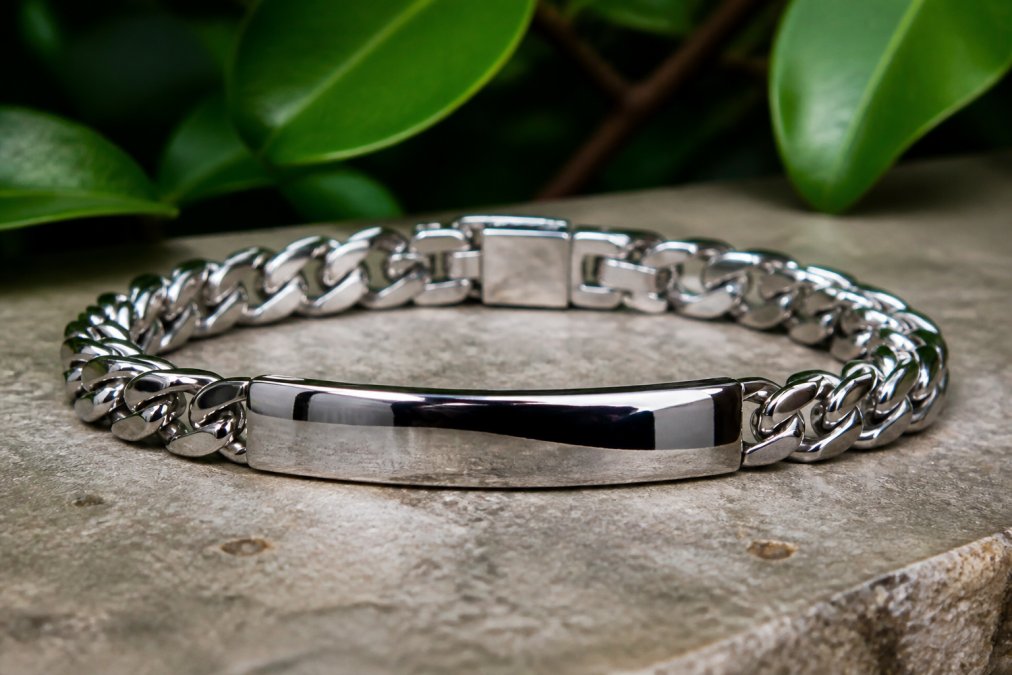
The secret to why stainless steel jewelry lasts longer lies in what happens at the molecular level. Stainless steel is an alloy, meaning it's a combination of metals engineered for specific properties. The base is iron, but the magic ingredient is chromium.
Chromium and the Passive Layer
When chromium is added to iron, something remarkable occurs. Chromium reacts with oxygen in the air to form an invisible protective layer called the passive layer. This layer is only a few atoms thick, yet it's extraordinarily effective. When the stainless steel surface gets scratched or exposed to moisture, the passive layer reforms automatically. It's self-healing.
This passive layer is what prevents oxidation, the chemical process that causes rust and corrosion. When iron alone is exposed to moisture and oxygen, the metal oxidizes and deteriorates. Chromium prevents this reaction from starting. Even if the surface gets damaged, the chromium continues to protect the metal beneath.
The passive layer also explains why stainless steel resists tarnishing. Tarnish is a form of corrosion that occurs when metals react with sulfur compounds in the air and on skin. Sterling silver tarnishes readily because silver is chemically reactive. Stainless steel's chromium barrier blocks these reactions from occurring. Your stainless steel jewelry can sit in a drawer for months and come out looking exactly as it did when you put it away.
316L Grade Steel for Superior Corrosion Resistance
Not all stainless steel is identical. The grade matters significantly. The most common stainless steel grades are 304 and 316L, and the difference between them is important for jewelry.
316L stainless steel contains molybdenum in addition to chromium and nickel (astm.org). Molybdenum enhances the passive layer's resistance to chloride ions, the corrosive compounds found in saltwater, sweat, and some cleaning products. This is why 316L grade steel is the preferred choice for jewelry that will see daily wear.
If you wear your jewelry while swimming, exercising, or simply living in humid conditions, 316L makes a measurable difference. The molybdenum addition means the passive layer can withstand more aggressive chemical environments. A 316L bracelet won't corrode from saltwater exposure the way lower-grade stainless steel might. A 316L necklace won't pit or degrade from repeated contact with sweat.
This is why Flogaze selects 316L stainless steel for its personalized pieces. It's the grade that ensures your engraved graduation gift or anniversary watch will maintain its appearance through years of actual use, not just careful storage.
Stainless Steel vs. Sterling Silver Durability
The comparison between stainless steel and sterling silver reveals why so many people choose stainless steel for everyday jewelry. Sterling silver is 92.5% pure silver combined with other metals (usually copper) for strength. It's beautiful, it's prestigious, and it's also high-maintenance.
Sterling silver tarnishes. This isn't a flaw in individual pieces, it's inherent to the material. Silver reacts with sulfur compounds in the environment. Within weeks of regular wear, sterling silver develops a dark patina. Some people appreciate this antique look. Most people find themselves polishing their silver jewelry regularly to restore shine.
Stainless steel doesn't tarnish. The chromium passive layer prevents the chemical reactions that cause tarnishing. You can wear stainless steel daily without worrying about discoloration. It maintains its luster indefinitely with minimal care.
Sterling silver also scratches more easily than stainless steel. Silver is a softer metal. Daily wear, rubbing against clothing, contact with other jewelry, accidental bumps, leaves visible scratches on silver. Stainless steel is harder and more scratch-resistant. Scratches are less visible and less likely to occur in the first place.
The cost difference is another factor. Sterling silver is more expensive than stainless steel, partly because of the precious metal content and partly because of the labor required to maintain it. If you're buying a gift, stainless steel offers better durability at a lower price point. The recipient gets a piece that will look beautiful for years without requiring special care.
Is Stainless Steel Jewelry Hypoallergenic
One concern people have about stainless steel is whether it's hypoallergenic. The answer is largely yes, with an important caveat.
Stainless steel is hypoallergenic for the vast majority of people (peer-reviewed research). The nickel content in stainless steel is bound within the alloy structure. Unlike nickel-plated jewelry, where loose nickel can leach onto skin, the nickel in stainless steel remains locked in the metal matrix. People with mild nickel sensitivity can typically wear stainless steel without reaction.
The caveat is that some people have severe nickel allergies. For these individuals, even the trace nickel in stainless steel can trigger a reaction. If you know the gift recipient has a documented severe nickel allergy, you'd want to confirm the specific alloy composition or consider alternatives like titanium or niobium.
For most people, though, stainless steel is genuinely hypoallergenic. It won't cause skin irritation, discoloration, or allergic reactions. This makes it ideal for sensitive skin and for gifts where you don't know the recipient's sensitivities. A stainless steel piece from Flogaze is a safe choice for nearly anyone.
How to Clean Stainless Steel Jewelry
One of the reasons stainless steel jewelry lasts longer is how easy it is to maintain. Cleaning stainless steel requires minimal effort and no special products.
For routine cleaning, use warm water and mild dish soap. Place the jewelry in a bowl of warm soapy water and let it soak for a few minutes. Use a soft cloth or soft-bristled brush to gently wipe away any dirt or residue. Rinse thoroughly with clean water and dry with a soft cloth. That's it. This takes five minutes and restores the piece to like-new condition.
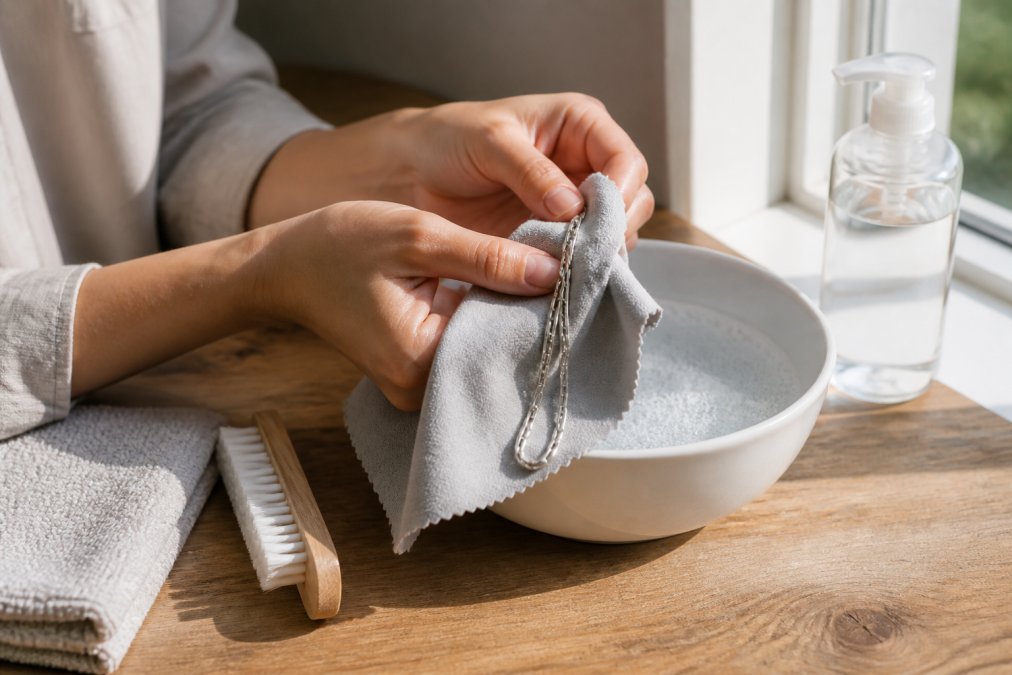
For stubborn spots or buildup, you can use a slightly more thorough approach. Make a paste of baking soda and water. Apply it to the jewelry with a soft cloth, rubbing gently in the direction of the grain if visible. Rinse well and dry. The mild abrasive action of baking soda removes accumulated residue without scratching the stainless steel.
Avoid harsh chemicals like bleach or acetone. These can damage the passive layer and cause discoloration. Also avoid abrasive scrubbing pads or metal brushes, these scratch the surface. Stick with soft cloths and gentle methods.
The beauty of this maintenance routine is its simplicity. Unlike sterling silver, which requires specialized silver polish and regular attention, stainless steel needs only soap and water. You can keep your jewelry looking perfect with minimal effort, which is why stainless steel jewelry lasts so well in real life. People actually maintain it because the maintenance is so easy.
PVD Coating and Extended Jewelry Longevity
Some stainless steel jewelry receives an additional protective layer called PVD coating. PVD stands for Physical Vapor Deposition, a process that applies a microscopic coating of another metal (often titanium nitride or similar compounds) to the stainless steel surface.
The PVD coating adds another dimension to durability. It increases scratch resistance beyond what bare stainless steel provides. It can also add color, gold-tone, rose-gold-tone, or black finishes are achieved through PVD coatings. These coatings are extremely durable and don't fade or wear away under normal use.
However, it's important to understand that PVD coating is an enhancement, not a requirement. Bare stainless steel is already highly durable. The coating extends that durability further, particularly for pieces that will see heavy daily use or high-impact activities. For most people, the durability of stainless steel alone is more than sufficient.
The longevity of PVD-coated jewelry depends on the quality of the coating and the care taken. High-quality PVD coatings can last for years or decades with normal wear. Lower-quality coatings may show wear within months. This is another reason to choose quality manufacturers, the coating process matters as much as the materials.
Daily Wear and Long-Term Performance
The real test of jewelry durability is how it performs through actual daily use. Stainless steel jewelry lasts longer because it handles the demands of real life.
Consider what your jewelry encounters: friction from clothing, moisture from sweat and humidity, temperature changes, accidental impacts, and contact with various substances. Over months and years, these forces degrade lesser materials. Stainless steel withstands all of it.
The tensile strength of stainless steel, its resistance to being pulled or stressed, means it won't bend or deform under normal wear. A stainless steel bracelet won't gradually lose its shape. A stainless steel necklace chain won't weaken and break. The metal maintains its structural integrity through years of use.
The corrosion resistance means stainless steel won't develop pits, discoloration, or surface degradation from sweat, humidity, or environmental exposure. A piece you wear daily while exercising won't show signs of damage. A watch you wear swimming won't corrode. An engraved piece you wear constantly won't fade or deteriorate.
This is why personalized stainless steel jewelry from Flogaze makes sense as a lasting keepsake. You're giving something that will be worn and treasured, not stored carefully and handled with kid gloves. The recipient can wear it every day, to work, to the gym, in the shower, and it will still look beautiful years later. That's the practical advantage of stainless steel jewelry lasts longer than alternatives: it's designed for the real world.
| Aspect | Stainless Steel | Sterling Silver | Gold-Plated |
|---|---|---|---|
| Tarnishing | Resistant | Tarnishes regularly | Plating wears away |
| Scratch resistance | High | Moderate | Low |
| Maintenance | Minimal (soap and water) | Regular polishing | Frequent replating |
| Hypoallergenic | Yes (for most) | Can cause reactions | Plating can flake |
| Daily wear suitability | Excellent | Good (requires care) | Poor (shows wear quickly) |
| Cost | Moderate | Higher | Lower upfront, higher long-term |
| Longevity | 10+ years | 5-7 years with care | 1-3 years |
Choosing jewelry as a gift means thinking beyond the moment of giving. You want something that will be worn and cherished for years. Stainless steel jewelry lasts longer because its composition resists the forces that degrade other metals. The chromium creates a self-healing passive layer. The 316L grade adds molybdenum for enhanced protection. The maintenance is simple, soap and water suffice. And the durability is proven through actual daily use.
When you select a personalized stainless steel piece from Flogaze, you're choosing a gift designed to become a lasting keepsake. It will withstand constant wear, resist tarnishing and corrosion, and maintain its beauty through years of real-world use. That's why stainless steel remains the material of choice for meaningful jewelry that needs to last.
Frequently Asked Questions
Q: How long does stainless steel jewelry typically last?
A: Stainless steel jewelry can last decades or a lifetime with proper care. The 316L grade steel resists corrosion and tarnishing, making it ideal for daily wear jewelry. Unlike sterling silver, which requires regular polishing, stainless steel maintains its appearance with minimal maintenance. Pieces with PVD coating add an extra layer of protection, extending durability even further. Many people wear stainless steel jewelry continuously without degradation.
Q: Is stainless steel jewelry hypoallergenic for sensitive skin?
A: Yes, stainless steel jewelry is hypoallergenic for most people. The 316L grade contains minimal nickel and resists oxidation, preventing the chemical reactions that trigger allergic responses. Unlike plated jewelry, which can expose base metals when the coating wears away, solid stainless steel remains chemically stable against skin contact. This makes it ideal for personalized gifts for people with sensitive skin or metal allergies. Always verify that pieces are solid stainless steel rather than plated.
Q: Does stainless steel jewelry tarnish or rust?
A: Stainless steel jewelry resists both tarnishing and rust due to its chromium content, which creates a protective passive layer on the surface. This layer self-repairs when exposed to oxygen, preventing oxidation. However, exposure to harsh chemicals, chlorine, or saltwater can temporarily dull the finish. Regular cleaning with mild soap and water restores brightness. Unlike sterling silver, which tarnishes naturally, stainless steel maintains its luster through daily wear and moisture exposure without special treatment.
Q: What makes stainless steel jewelry worth the investment?
A: Stainless steel jewelry offers exceptional durability, hypoallergenic properties, and minimal maintenance, making it ideal for keepsakes and daily wear. The tensile strength of the alloy means it resists dents and dings better than softer metals. Unlike plated alternatives that wear down over time, solid stainless steel jewelry maintains its aesthetic preservation indefinitely. For personalized gifts meant to last through life's milestones, the combination of durability and affordability makes stainless steel a practical choice.
This article was written using GrandRanker


